Is Hydroponic Food Organic?
There is a clean answer to this and almost nobody gives it, because the clean answer is that it depends which country the lettuce is standing in. The same plant, grown the same way in the same water, can be sold as organic in the United States and cannot legally be called organic in the European Union. That is not a loophole or a labelling scandal. Both positions are written down, both have reasons behind them, and the reasons are more interesting than the verdict.
The sentence everybody is arguing about
American organic rules come from the Organic Foods Production Act. The part that matters here says that an organic plan shall contain provisions designed to foster soil fertility, primarily through the management of the organic content of the soil through proper tillage, crop rotation, and manuring.
Read that with a bucket of water in front of you and the problem is obvious. There is no soil to foster, no tillage to do, no crop rotation, and nothing to manure. One reading is that a soilless crop cannot possibly satisfy a plan built around soil. The other is that the requirement applies to operations that have soil, and says nothing about operations that do not.
The second reading is the one American regulators have taken, and they took it early. A 1995 recommendation on greenhouse standards said that hydroponic production in soilless media to be labeled organically produced shall be allowed if all provisions of the Act have been met. Two years later, when the rules were being drafted, the agency changed the phrase organic farming to organic production, explaining that it wanted a more encompassing term which may come to include such diverse activities as hydroponics.
So hydroponics was not an oversight that slipped through. It was contemplated in the drafting and left in.
Thirty years later it is still not settled
What makes this worth reading about is that the American answer has never stopped being contested, by the people inside the system.
The National Organic Standards Board recommended in 2010 that soilless production be prohibited, and nothing came of it. In 2016 a motion was brought to allow what the board called bioponic growing, covering hydroponic, aeroponic and aquaponic systems, and it was deliberately worded that way so that overturning the 2010 recommendation would need a two thirds majority. In 2017 the subcommittee brought a full proposal that set out the range of systems from soil to soilless and tried to find a middle ground. The attempt to prohibit hydroponic and aquaponic growing failed.
That 2017 document is unusually candid about the disagreement. It records that some think organic certification should require plants be grown in soil that is connected to the earth’s surface, while others think it should allow growing in pure nutrient solution without the presence of any soil or compost. It quotes the opposing case directly, that systems of crop production which eliminate soil, such as hydroponics or aeroponics, cannot be considered acceptable organic farming practices.
And it contains one detail that almost never gets reported. Certifying agencies have been permitted to certify hydroponic operations, with some agencies certifying them and some choosing not to. Whether an American hydroponic farm can call itself organic has depended, in practice, on which certifier it hired.
A campaign group took the agency to court over it. In March 2021 a federal district court granted the government summary judgment, finding that the applicable statutory scheme does not exclude hydroponics from the organic program. In September 2022 the Ninth Circuit upheld that, holding that the Act does not clearly require the agency to issue the rule the plaintiffs wanted. The agency had already set out its own view in 2019, that organic hydroponic systems cycle and conserve resources in a different way from soil based systems, and that this does not make them incompatible with the vision for organic agriculture expressed in the Act.
Europe wrote the opposite into the text
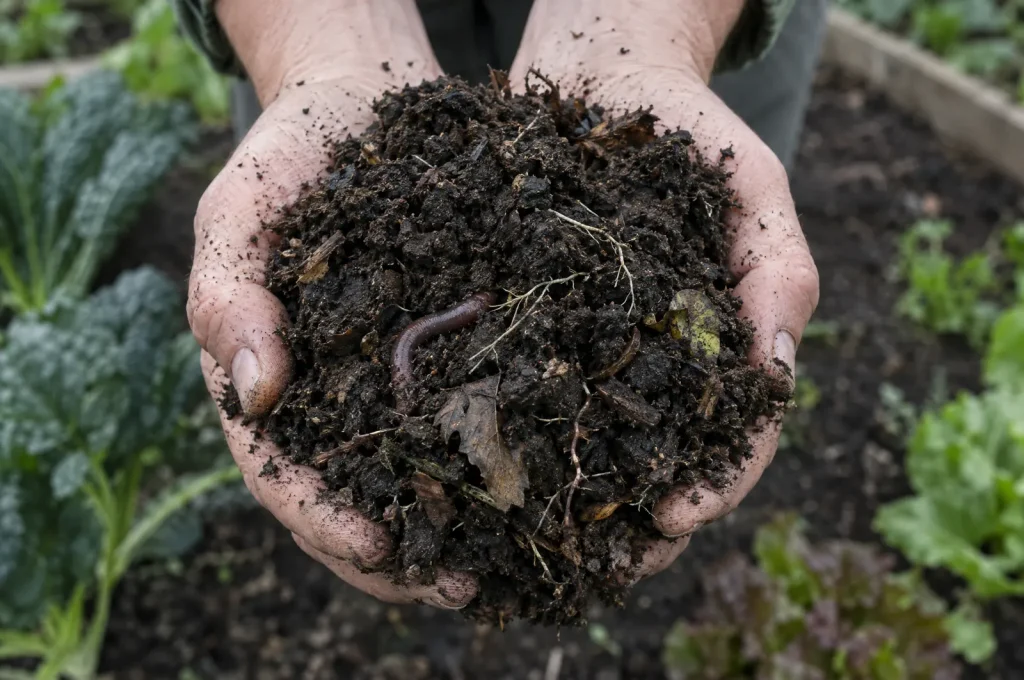
The European Union took the same question and answered it in the legislation rather than leaving it to an agency. Regulation 2018/848 explains the thinking first. Organic plant production is based on nourishing the plants primarily through the soil ecosystem, so plants should be produced on and in living soil in connection with the subsoil and bedrock, and consequently hydroponic production should not be allowed.
Then it says it plainly. Hydroponic production, defined there as growing plants that do not naturally grow in water with their roots in a nutrient solution only or in an inert medium to which a nutrient solution is added, is prohibited.
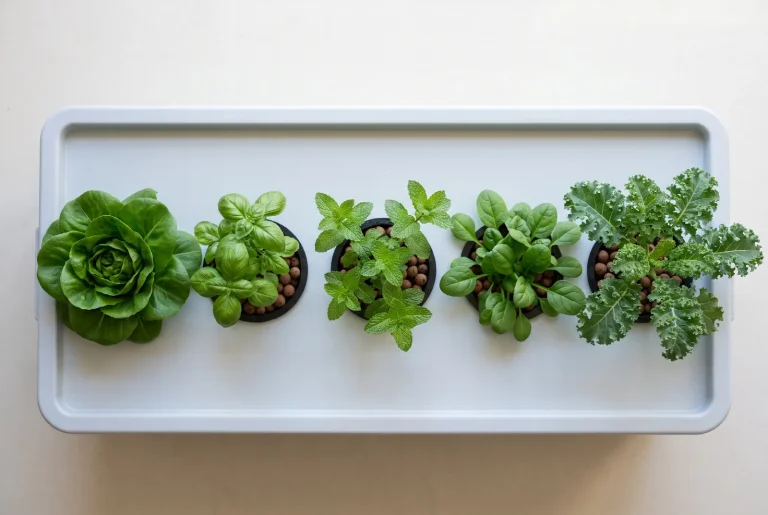
Note what that definition catches. Not just bare roots in water. An inert medium with nutrient solution added is every clay pebble and rockwool cube on this site.
| Question | United States | Europe |
|---|---|---|
| Soilless crops | Allowed | Banned |
| Set by | The agency | The statute |
| Sprouts | Allowed | Allowed |
| Settled | No | Yes |
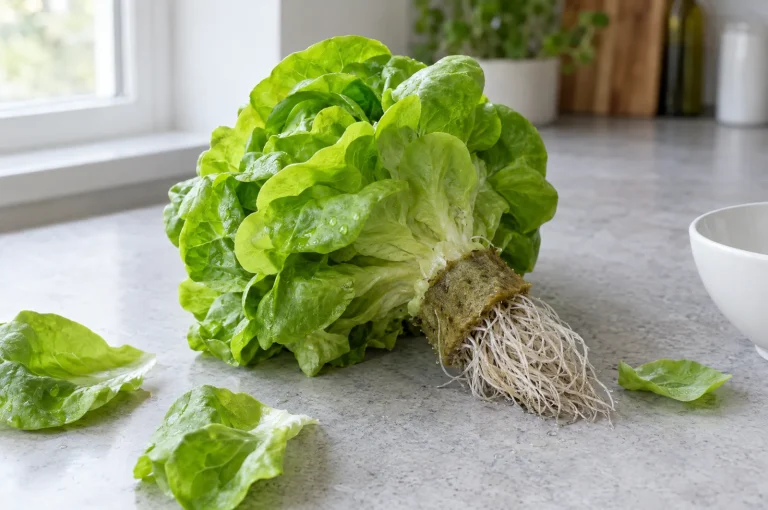
The same lettuce, two answers. Europe put its position in the text of the regulation. America left it to the agency, and the courts have twice declined to overturn that.
Europe did leave itself two doors. Growing seedlings or transplants in containers for further transplanting is allowed, which keeps the propagation step our seed starting article describes entirely legal. And a handful of growers in Finland, Sweden and Denmark who were certified for growing in demarcated beds before June 2017 may carry on, on those surfaces only, until the end of 2030.
The one soilless crop Europe allows is the one we tell you not to grow
There is a genuine exception in the European rules and it is a small joke at this site’s expense. Sprouts, produced by moistening seeds, are allowed. So is forcing chicory heads by dipping them in clear water.
Sprouting is about as soilless as growing gets. Seeds in a jar of water, no medium, no nutrients, nothing in contact with any bedrock whatsoever. It is permitted because the principle of soil related cultivation simply is not adapted to it.
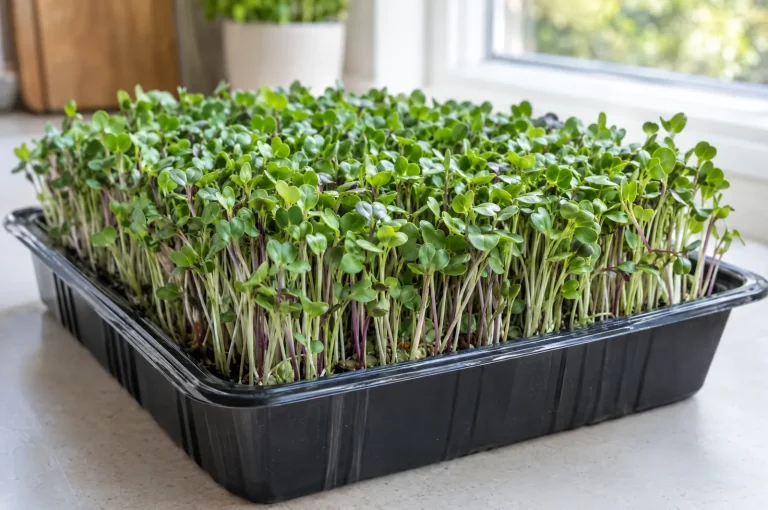
And it is the one crop our microgreens article goes out of its way to steer you away from, because sprouts are eaten whole with the seed coat and the root included, and the seed coat is where the contamination risk lives. Microgreens are cut above the surface and leave both behind. Europe’s organic rules and our food safety advice have landed on opposite sides of the same jar, for reasons that have nothing to do with each other.
None of this governs your bucket
Worth saying clearly, because the legal detail can make it feel otherwise. Certification is a marketing scheme for people selling food. Nobody is certifying your windowsill, and no rule anywhere stops you growing whatever you like however you like.
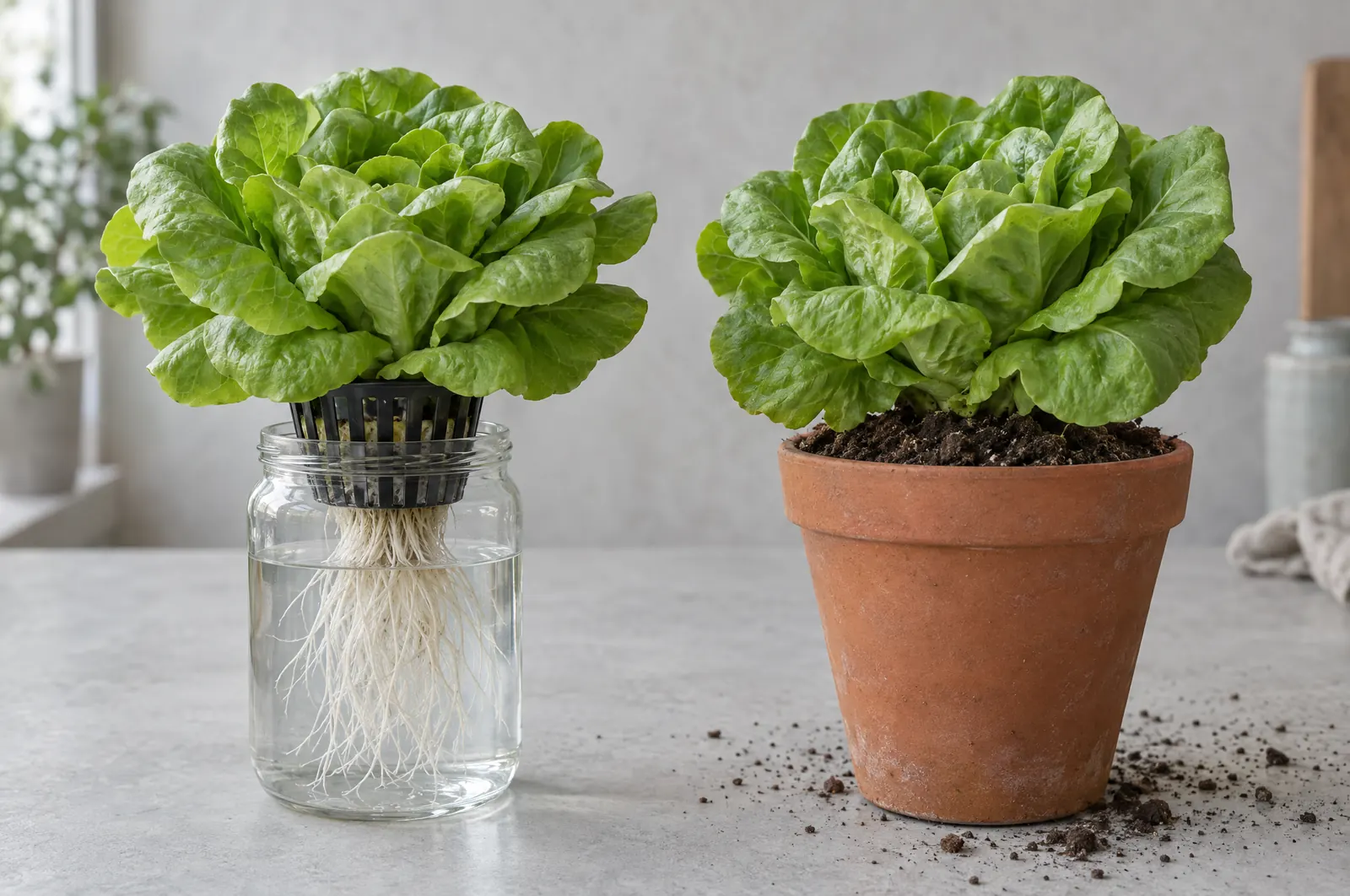
What the argument gives you instead is a very precise description of what you are doing. Both sides agree on the facts and disagree on what counts. Organic farming as Europe defines it is the practice of nourishing a soil ecosystem and letting the soil feed the plant. Hydroponics skips that and feeds the plant directly.
Our comparison of hydroponics against soil reaches the same place from the practical end, that you have taken over a job soil was doing for free. That is the whole dispute, stated as a chore rather than as a principle. One regulator thinks taking over that job disqualifies you. The other thinks it is just a different way of doing it.
So can you feed a system organically at home
You can buy organic nutrients, and people do. The reason it is harder than it looks is the same reason the regulators are arguing, which is satisfying.
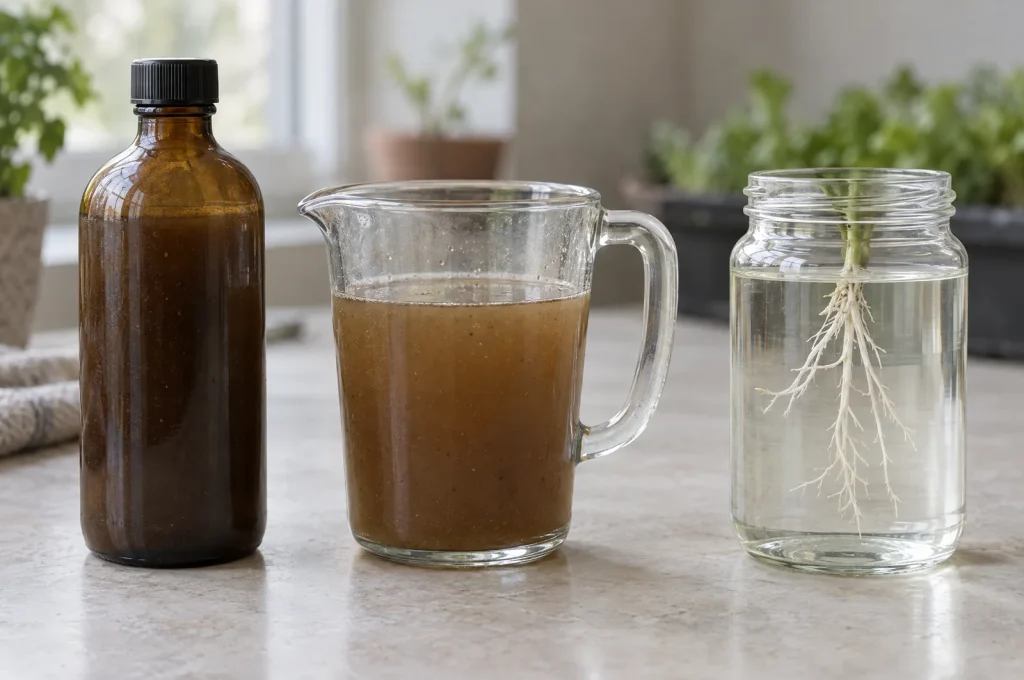
A 2022 review in Water surveyed the methods for making organic nutrient solutions, a field it calls bioponics. The core obstacle is stated plainly. The nutrients in organic materials are locked inside organic molecules that roots cannot take up as they are. They have to be decomposed and mineralised by a large population of microorganisms before they become available in a mineral form.
That population is exactly what soil has and a reservoir does not. The review is blunt that bioponics involves a living organic environment that conventional hydroponics does not have to deal with, that results across studies have been greatly heterogeneous in yield and quality, and that organic compounds in the solution can themselves be phytotoxic enough to explain poor crops.
Which lines up with two things this site already says. Our article on whether hydroponic nutrients go off singles out organic and part organic products as the exception that genuinely ferments and genuinely has a shelf life. Our look at whether beneficial microbes work describes how much has to go right for a deliberately introduced population to establish in a tank.
One result goes the other way and deserves its place. The same review reports compost tea reducing the incidence of Pythium irregulare, which is the organism behind most of what our root rot article describes, and an organic solution suppressing a bacterial wilt pathogen in tomato. The suspected mechanism is the biofilm that developed on the roots. A living reservoir is harder to run and it is not only a liability.
The honest recommendation for a first system is unchanged. Use a complete mineral feed, as our nutrient guide sets out, and keep the reservoir clean. Bioponics is a real field with real results, and it is not a beginner’s project. If what you want from organic is produce without pesticides, note that our pest scouting article solves that indoors without any of this, and if what you want is nutrition, our article on that question is the better read.
The short answer
Is hydroponic food organic? In America it can be certified and sold as organic, and that has survived a board revolt, a petition and two courts. In Europe it is prohibited in the text of the regulation and the only soilless things allowed are sprouts, chicory and seedlings on their way to a field.
At home the label is not available to you and not relevant either. What you are left with is the real question underneath it, which is whether you would rather look after a soil ecosystem or look after a solution. That is a preference about the job, and our article on the environmental case is the other place on this site where the same trade shows up with numbers attached.
Where this comes from
The soil fertility wording of the Organic Foods Production Act, the 1995 greenhouse recommendation, the 1997 change from farming to production, the 2010 and 2016 board positions, the note that certifying agencies have been free to certify hydroponic operations or not, and the quoted arguments on both sides are all from the National Organic Standards Board Crops Subcommittee proposal Hydroponics and Container-Growing Recommendations, dated 29 August 2017 and published by the United States Department of Agriculture. The 2019 agency statement, the March 2021 district court ruling and the September 2022 Ninth Circuit decision are reported by the National Agricultural Law Center at the University of Arkansas. The European position, including the definition of hydroponic production, the sprouts and chicory derogation, the transplant derogation and the demarcated beds arrangement for Finland, Sweden and Denmark, is from Regulation (EU) 2018/848, recital 28 and Annex II Part I. The organic nutrient material is from Bioponics as a Promising Approach to Sustainable Agriculture, a review published in Water in 2022.
Found this useful? Tell Google to show you more of it.
Add to Preferred Sources