Is Hydroponics Actually Better for the Environment?
Our own front page says 90 percent less water. That claim holds up. The number nobody prints is the energy, and the breakdown behind it is not the grow light.

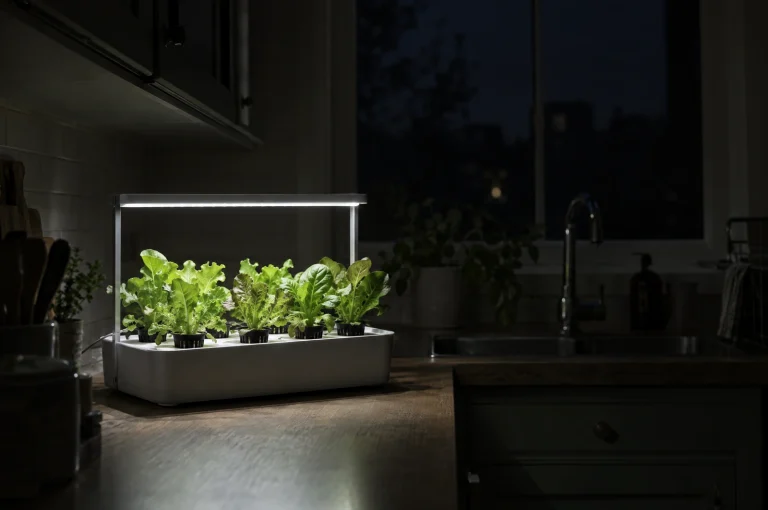
Our own front page says 90 percent less water. That claim holds up. The number nobody prints is the energy, and the breakdown behind it is not the grow light.
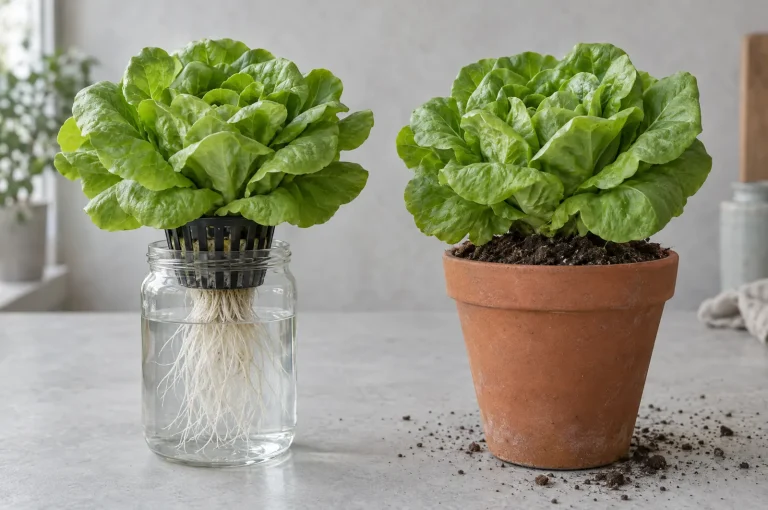
The same lettuce can be sold as organic in America and cannot legally be called organic in Europe. Both positions are written down, and the reasons are better than the verdict.
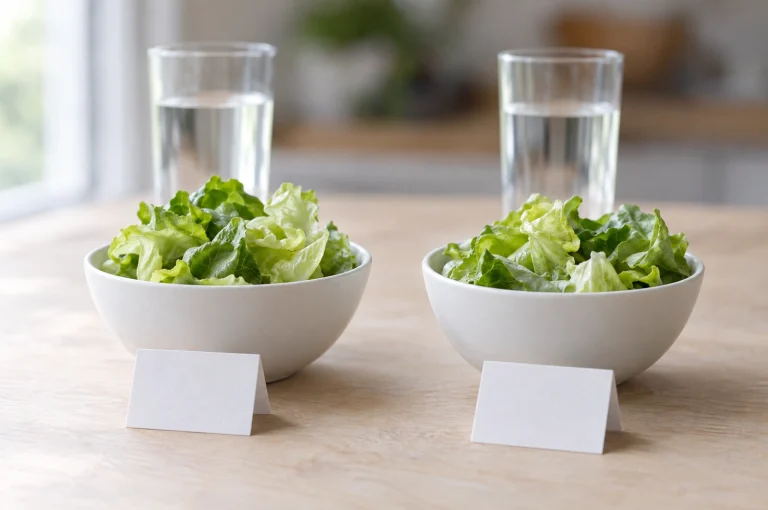
Fifteen lettuces grown in one hydroponic system scored from the low band up to 8.7 out of 15 for bitterness. The variety moved flavour further than the growing method ever has.
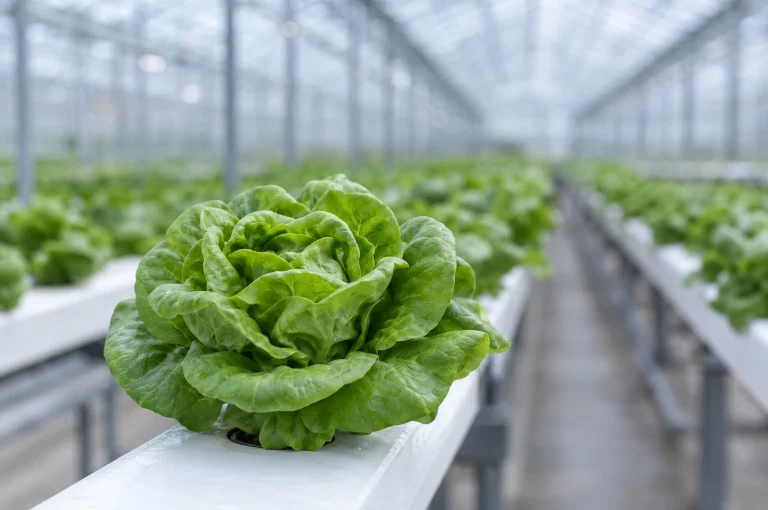
One in three hydroponic samples in a 2024 screening carried a pesticide, and crops grown under cover carry more residues than open field ones. The claim needs splitting in two.
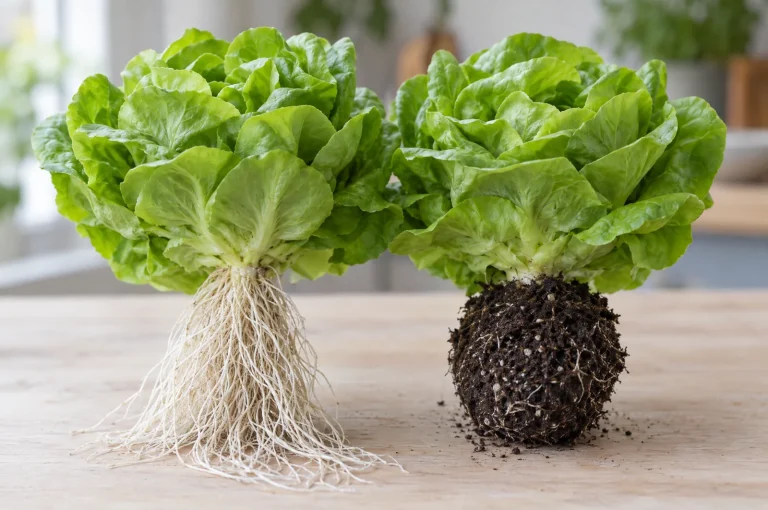
The thirty percent figure in our own banner traces back to an undocumented line in a 1980 patent. A trial that grew the same lettuce both ways found no difference at all in 35 days.
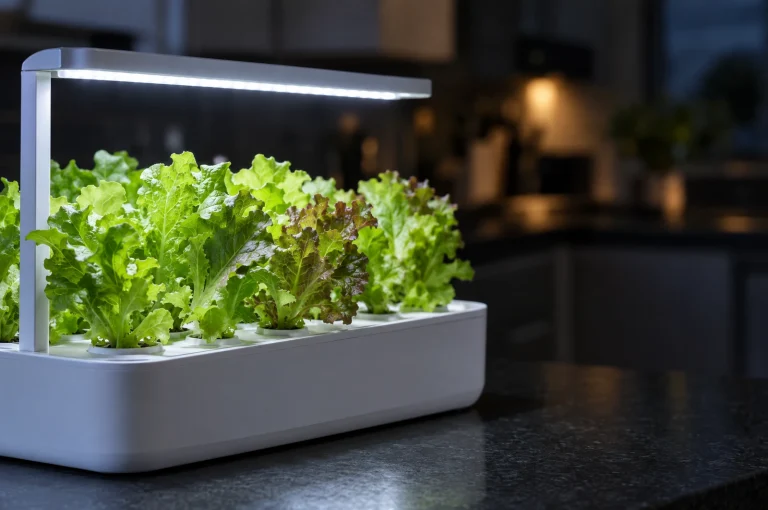
Benefit ten on our own page said this one was not measurable. It has been measured for twenty years, and almost never on anybody growing indoors under a lamp.
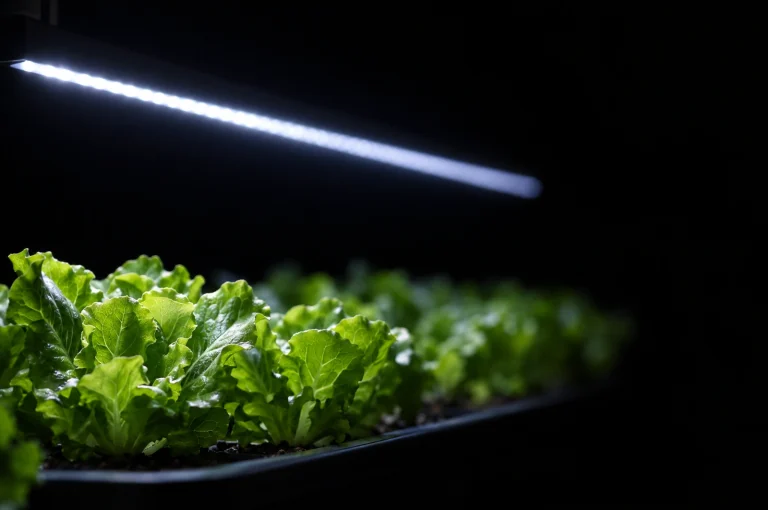
Our own lighting guide says plants need a dark period to respire. They do not. Lettuce under continuous light grew faster, and tomato is the crop that genuinely cannot take it.
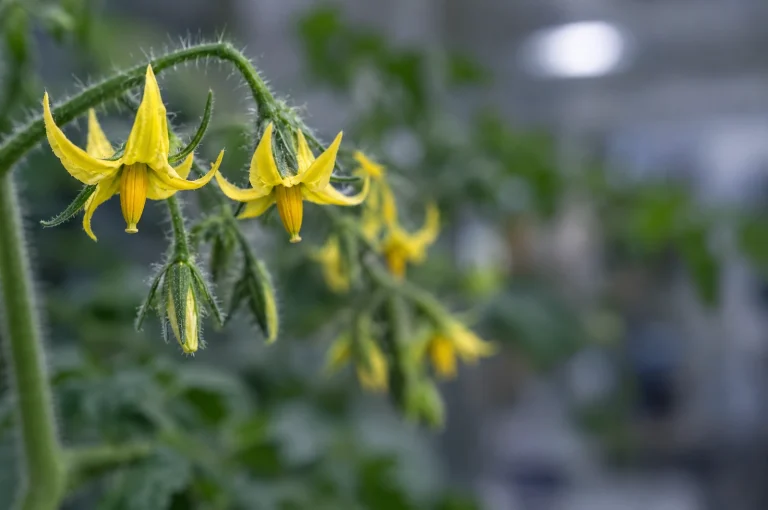
The ten second flick our tomato page gives you is a shortened version of something the greenhouse industry perfected, abandoned for bumblebees, and in Britain has partly gone back to.
A bloom booster is defined by having the biggest middle number. Commercial greenhouses run the ratio the other way round, and the studies behind the promise do not find more flowers.
We use analytics cookies to understand which guides actually help people grow. We don't run adverts and we don't sell your data. Read our privacy policy.